
Crowns and Porcelain Bridges
REPAIR TEETH WITH DAMAGE OR SEVERE SPOTS
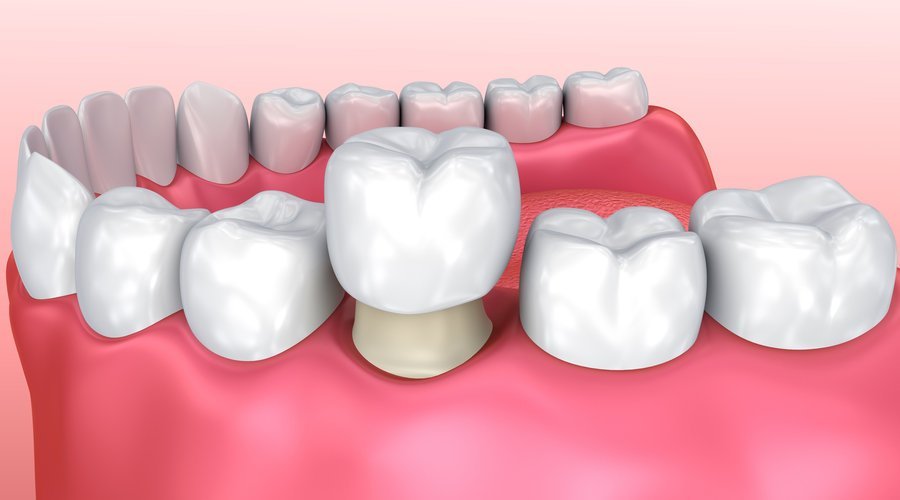
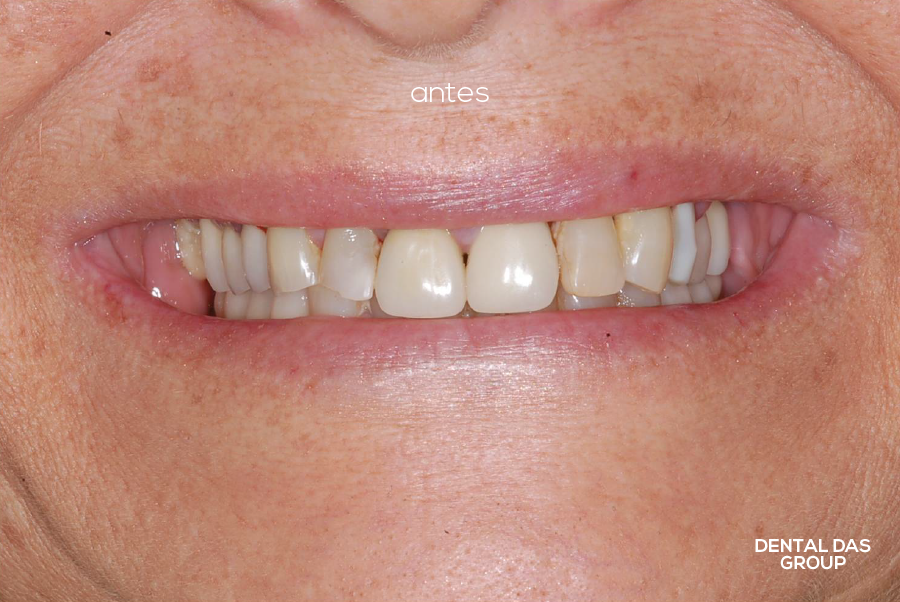
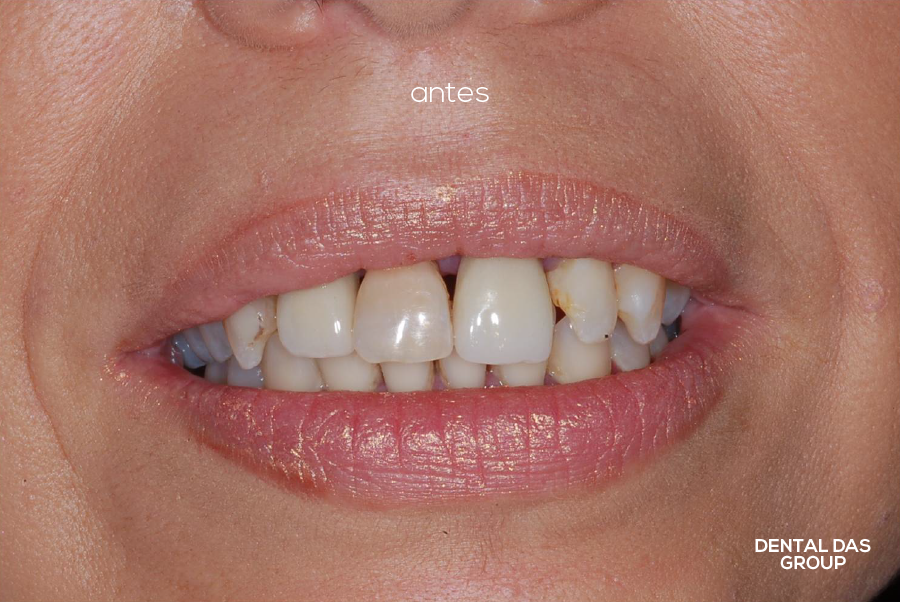
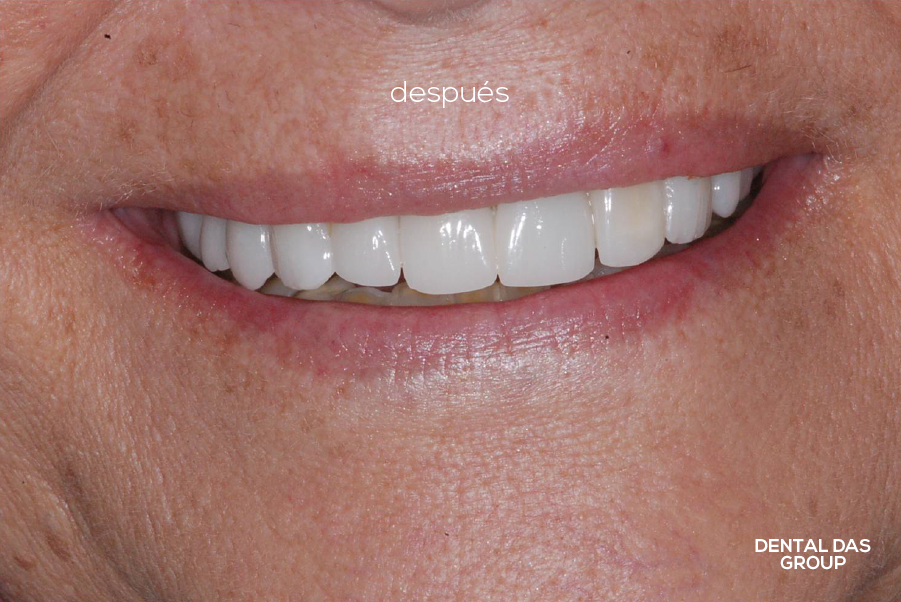
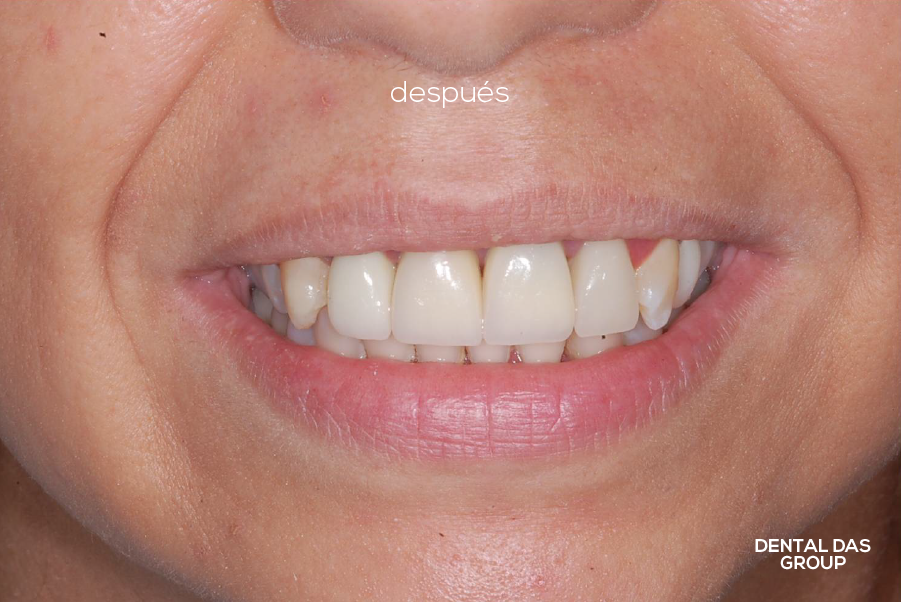
Crowns are used to repair severely damaged or heavily stained teeth. Thus, the original shape, color and function of the teeth are restored.
Bridges are utilized to replace missing teeth, and are supported by surrounding teeth. Today, the use of bridges over natural teeth has decreased due to the development of dental implants.
FAQ about Crowns
What is a crown?
How can dental crowns be used to recover the cosmetic appearance of teeth?
Dental crowns are best utilized as a way to improve the cosmetic appearance of a tooth when the crown simultaneously serves other purposes also, such as restoring a tooth to its original shape (repairing a broken tooth) or strengthening a tooth (covering over a tooth that has a very large filling).
In which cases is it desirable to make a dental crown?
• When the tooth is misshapen or discolored
• When a tooth has had a root canal treatment and needs to be protected from breakage
• When the patient’s teeth are very worn down because of severe bruxism
What are dental crowns made of?
• metal (gold or other metal alloys)
• ceramic materials (such as porcelain)
• a combination of both (Porcelain-fused-to-metal dental crowns).
We will discuss the most appropriate crown for your situation.
Metal Crowns
Full-porcelain dental crowns
Porcelain-fused-to-metal dental crowns
How long can dental crowns last?
It would be reasonable to expect that a dental crown could last between ten and fifteen years, or even more, if you follow the care instructions. Crowns over implants last longer than crowns over teeth.
When do old dental crowns need to be replaced?
• If a tooth decay develops at the edge of the crown. If your oral hygiene is not adequate, a cavity can form.
• If the dental crown has become heavily worn.
• If the dental crown has cracked or broken.
• If the aesthetics of the crown have become unacceptable. The most common situations are when a crown’s edge has become visible and it has a grey appearance; and when the color of the dental crown no longer matches its neighboring teeth.
How can dental crowns strengthen teeth?
On the contrary, other treatments like big metal fillings can have a weakening effect on the teeth in which they are placed. Dental fillings rely on a tooth’s remaining structure to hold and support them. Metal fillings, in general, don’t strengthen a tooth and can’t protect a tooth from the forces generated by biting and chewing.
On the other hand, repairing a large cavity often requires the removal of so much tooth structure that the overall strength of the tooth is reduced, in some cases greatly. This is because the tooth is no longer as intact as it once was; its structural integrity has been compromised.
In those cases a crown will produce the most predictable successful outcome for your tooth, in the long run.
What is the relationship between dental crowns and root canal treatment?
What happens if you don't protect a tooth with a dental crown?
1- The tooth will crack in a fashion that is easily repaired
2- The tooth breaks, but it requires other types of dental work before the dental crown can be made. (Ex: root canal treatment, periodontal surgery, etc)
3- The tooth breaks in a fashion in which it cannot be repaired.
What precautions should be taken with a temporary dental crown?
* Minimize the usage of the side of your mouth that has the temporary crown.
* Keep sticky foods away from the temporary dental crown.
* Avoid chewing hard foods with the temporary dental crown.
A tooth with a temporary dental crown can usually be brushed and flossed in normal fashion, with the following consideration. After flossing it may be best to remove the dental floss by way of letting loose of one end and then pulling it out to the side. Pulling the floss back out in normal fashion might snag the temporary crown and pull it off its tooth.
If your temporary dental crown does happen to come loose you should contact your dentist’s office so they can provide you with specific instructions and also make arrangements for you to come in and have it re-cemented.
